TL;DR: A Tanzania safari in 2026 costs between $300 and $3,980 per person for a complete, all-inclusive package with a local operator. Budget day trips start at $300. A nine-day Great Migration safari in the Serengeti reaches $3,980. The biggest factors are trip length, accommodation tier, and group size. Booking directly with a Tanzania-based operator instead of an international agency typically saves you 30 percent or more.
Most online guides answer “how much does a Tanzania safari cost” with a daily rate range and leave it there. That is not helpful if you are trying to figure out what a real trip will actually cost you, start to finish.
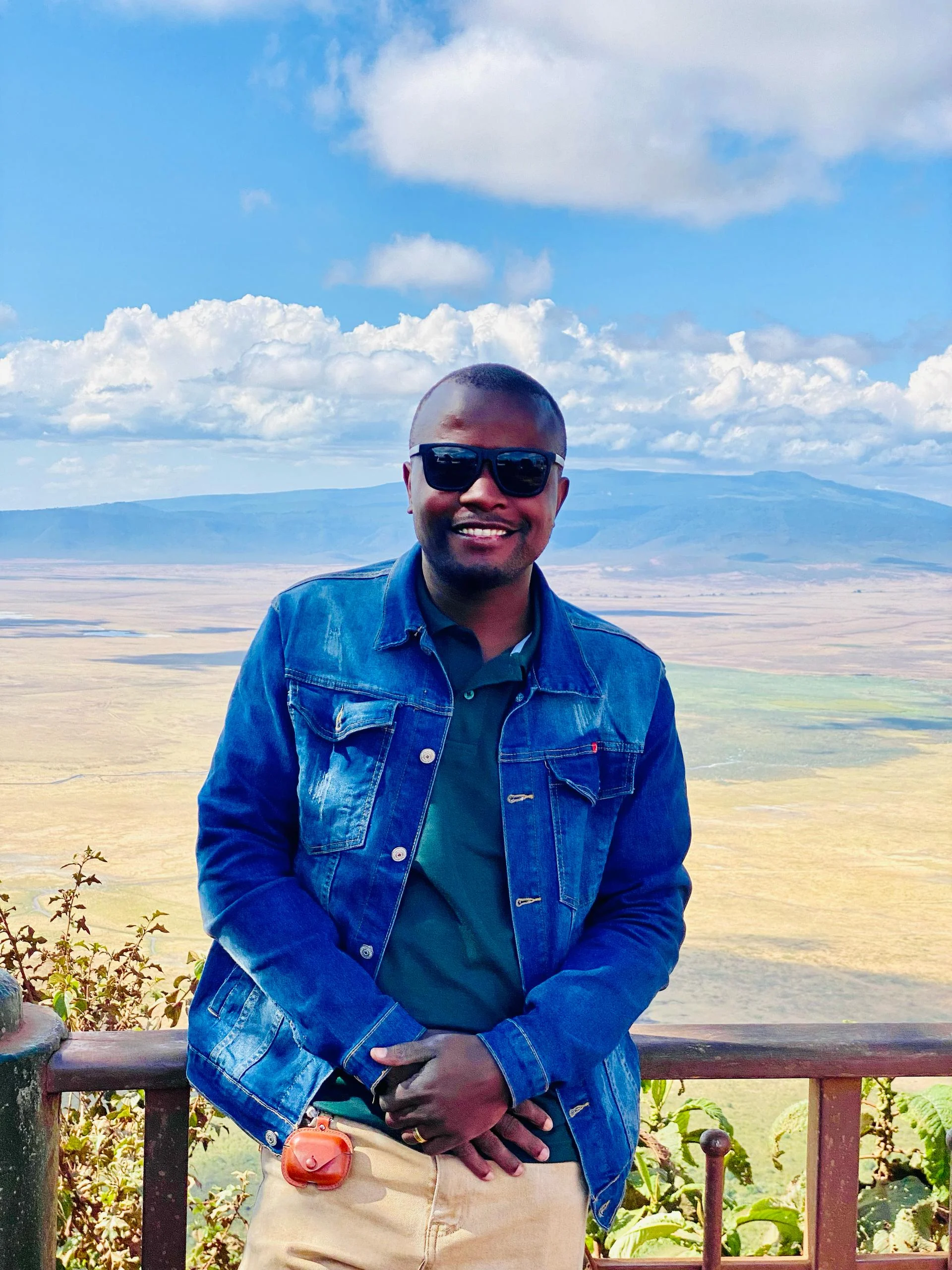
I am Benson at Mikumi Holiday Safaris. We are a Tanzania-based operator with offices in Mikumi, Arusha, and Zanzibar. We send guests into the Serengeti, Ngorongoro Crater, Tarangire, Mikumi, and Nyerere National Park every month of the year. We know what these trips cost because we build and price every one of them ourselves.
This guide gives you real numbers. You will see how Tanzania national park fees work, what each budget tier actually delivers, how your group size and travel season shift the final price, and what our own packages cost right now. Plan with real numbers, not averages.
What Does a Tanzania Safari Cost in 2026?
A complete Tanzania safari package in 2026 starts at $300 per person for a one-day game drive in Mikumi National Park. A nine-day Great Migration safari covering the Serengeti and Mara River crossings comes in at $3,980 per person. Most travelers planning a five to seven-day trip should budget between $1,500 and $3,500 per person, all-inclusive, when booking directly with a local operator.
Those numbers include park fees, accommodation, all meals, a 4×4 safari vehicle, and a professional guide. They do not include your international flights or travel insurance.
The industry often quotes a daily rate. You will see figures like $250 to $2,000 per person per day depending on the tier. But that framing obscures how heavily trip length and group size move the real number. A complete package price gives a truer picture, and that is what we focus on here.
What Do Tanzania National Park Fees Cost?
Park fees are a fixed, non-negotiable line item in every Tanzania safari price. They are set by the Tanzania National Parks Authority (TANAPA) and apply equally to every operator. TANAPA confirmed in early 2025 that fees would remain stable for at least 12 months, which means the figures below are your reliable planning baseline for 2026.
Current fees per adult foreign non-resident, per 24-hour period: the Serengeti costs $70. Tarangire National Park and Lake Manyara each run $50 to $53. Mikumi National Park sits in a lower tier at around $30 to $35, which makes Southern Circuit safaris meaningfully more affordable. Ngorongoro Crater adds a separate vehicle descent fee of $295 per vehicle, charged each time you drive down into the crater.
Your operator handles all park fee payments and includes them in your quoted price. You never pay at the gate. For a standard seven-day Northern Circuit safari covering Tarangire, Serengeti, and Ngorongoro, park fees alone add roughly $500 to $600 per person to the total. For a shorter Southern Circuit trip to Mikumi National Park, the park fee contribution is considerably lower.
Budget, Mid-Range, or Luxury: What Do You Actually Get?
Your accommodation tier is the single biggest driver of your Tanzania safari cost per day. Each tier is a genuinely different experience, not just a different price. Knowing what you get at each level helps you choose where to spend and where to save.
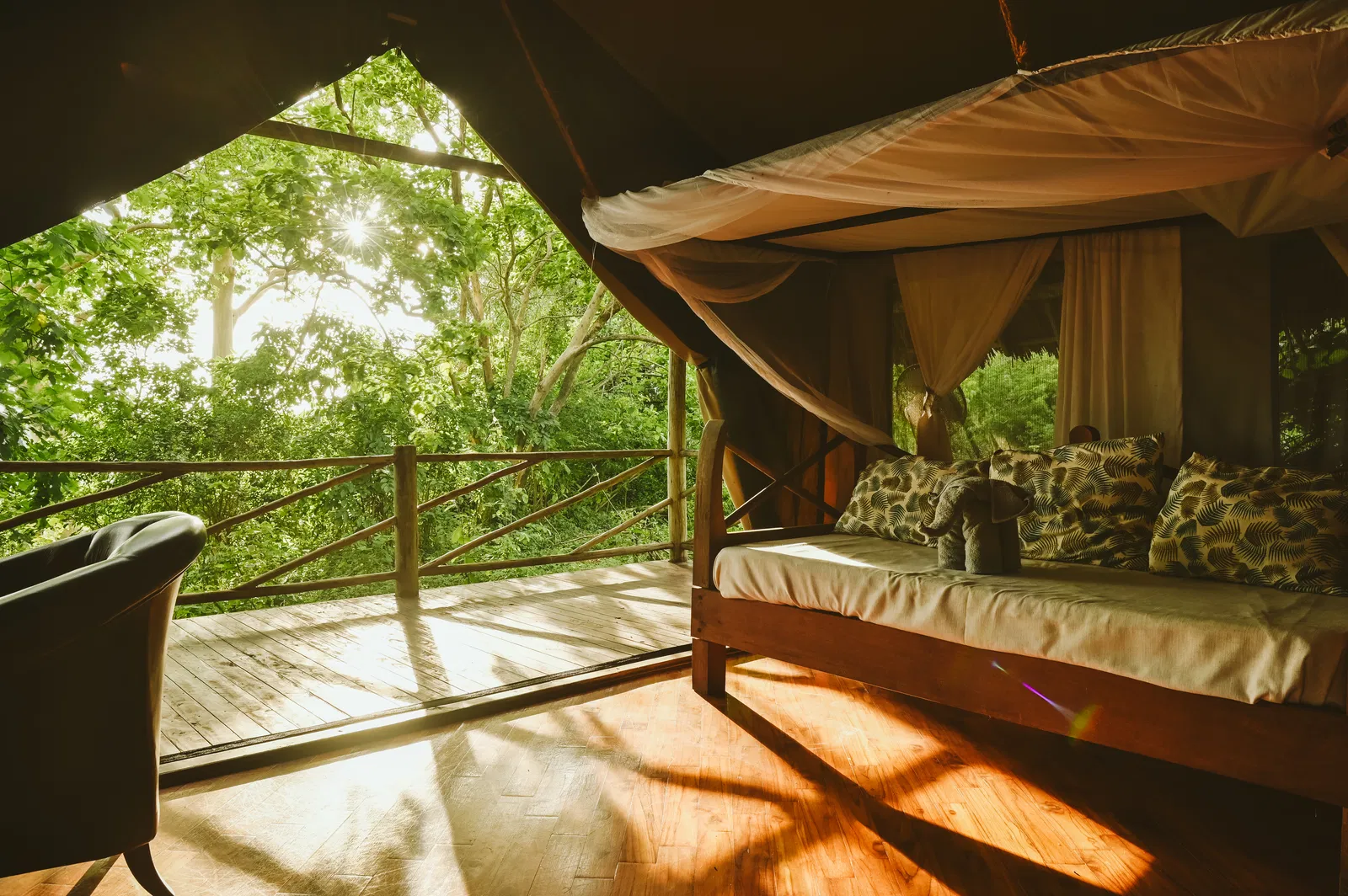
A budget safari starts at around $250 per person per day. You travel in a shared group vehicle, sleep in basic campsites or simple guesthouses outside park boundaries, and eat straightforward camp meals. This is a legitimate, immersive way to see wildlife. The tradeoffs are less scheduling flexibility, basic sleeping arrangements, and vehicles shared with strangers.
A mid-range safari runs from roughly $375 to $500 per person per day. This is the tier where most travelers land, and it is the sweet spot for value. You get a comfortable tented camp or lodge, often located inside or adjacent to the park, with proper beds and private bathrooms. The vehicle is typically private for your group. Guides have time to focus on your specific interests. The food is good. At Mikumi Holiday Safaris, mid-range is our speciality. Browse the lodge categories we work with to see what this tier looks like on the ground.
A luxury safari begins at $600 per person per day and can exceed $2,000. Exceptional lodges, gourmet dining, premium guiding, walking safaris, and private aircraft transfers define this tier. If cost is not a constraint, this level of experience is genuinely extraordinary.
How Does Group Size Change Your Per-Person Price?
Group size is the most underused lever for lowering Tanzania safari cost per person. Understanding how it works can save a family or group of friends hundreds of dollars each.
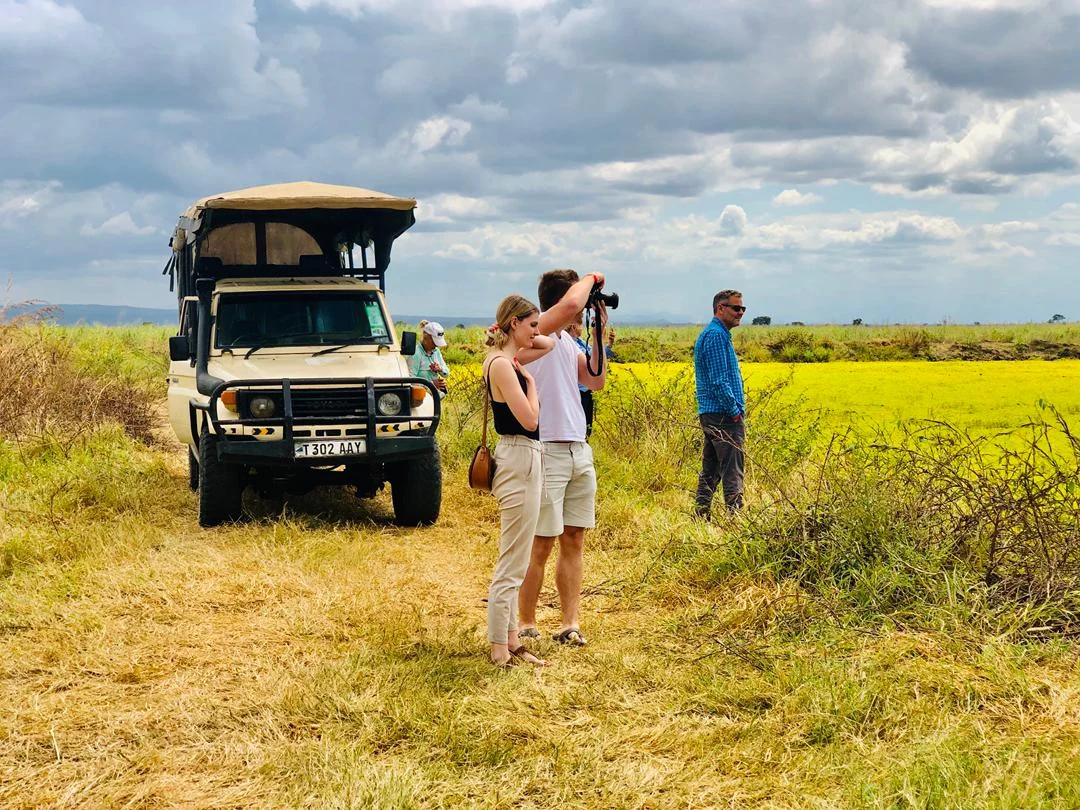
A standard safari 4×4 vehicle holds up to six passengers. The vehicle, fuel, and guide cost stays the same whether two people sit in it or five. That fixed cost is divided by the number of people in your party. A couple sharing a vehicle pays far more per person than a family of four sharing the same cost across more seats.
To make this concrete: a private mid-range safari for two people typically costs around $450 per person per day. The same itinerary for a group of four can drop to $320 to $350 per person per day. A group of six can push it lower still. Ngorongoro Crater’s $295 vehicle descent fee follows the same logic, it costs $148 per person for two people and $74 per person for four.
Solo travelers face the highest per-day rate because they carry the full vehicle cost alone. If you are travelling solo, joining a group departure package is the most practical way to reduce that cost without compromising the experience.
Does Travel Season Change What You Pay?
Yes, significantly. Tanzania safari prices vary by 20 to 40 percent between peak and shoulder seasons, and the wildlife experience in both windows can be outstanding.
Peak season runs from June through October. This is when the Great Migration’s dramatic river crossings happen in the northern Serengeti. Demand spikes, lodge prices are at their highest, and availability at the best camps gets tight, especially for properties inside the parks. If you want to witness the crossings, you plan around this window. Just book early.
The green season runs from November through May. Rain typically arrives in short afternoon showers rather than all-day downpours. The bush is lush and photogenic. Newborn animals are everywhere in the early months of the year, which draws predators into concentrated activity. Lodge rates drop 20 to 40 percent compared to peak season. Visitor numbers fall sharply. If your priority is wildlife and value rather than the Migration crossings specifically, the green season is the smarter choice.
Early June is a particularly good window that most travelers overlook. You get near-peak wildlife conditions and the early Migration, but lodge prices have not yet hit their July-October ceiling. Our guide to the best time for a Tanzania safari covers this in detail, including park-by-park timing.
What Is Actually Included in a Tanzania Safari Package?
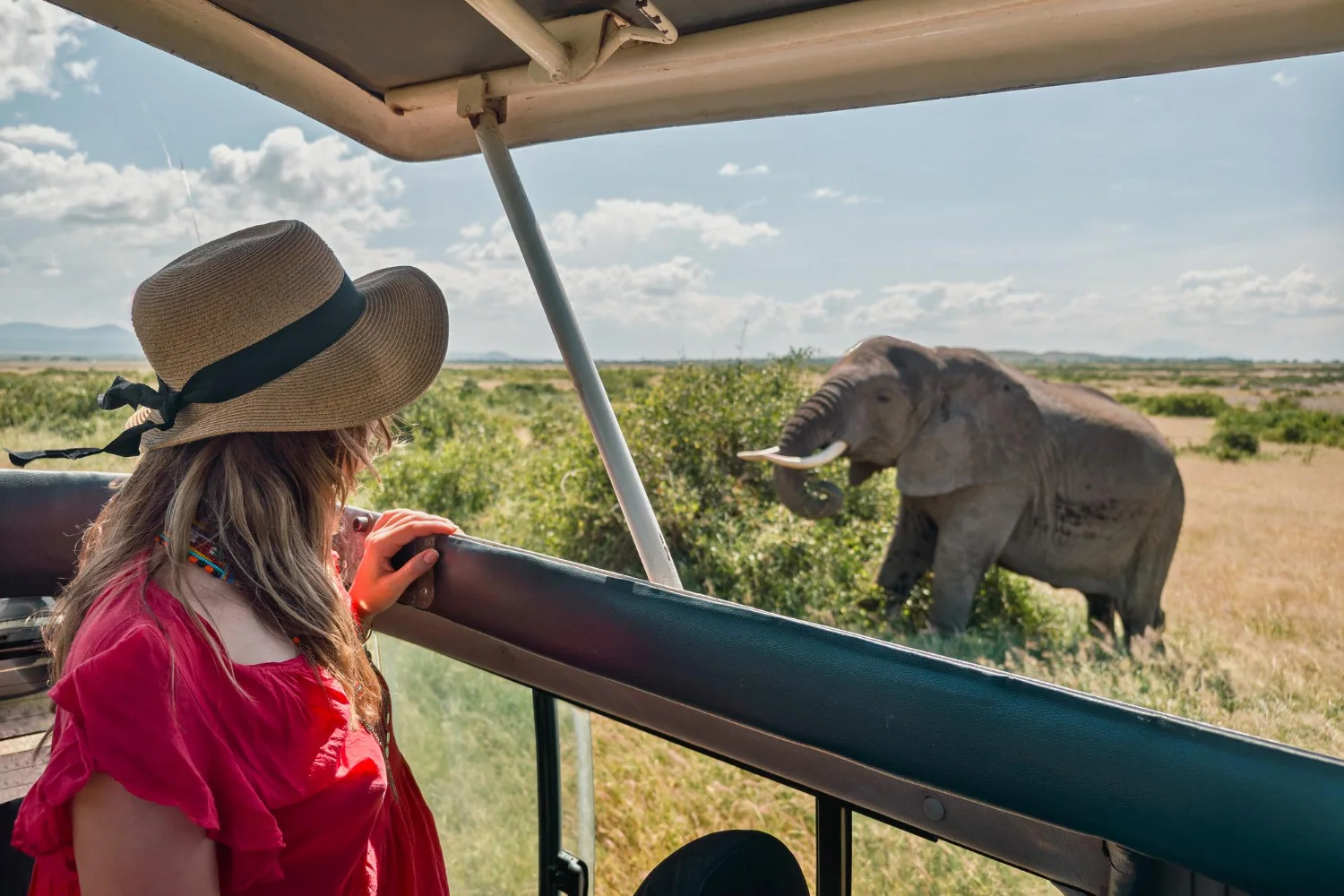
A properly quoted Tanzania safari package should include all park fees, accommodation for every night of the safari, all meals (breakfast, lunch, dinner, and snacks during game drives), bottled water in the vehicle, a 4×4 safari vehicle with a pop-up roof, and a professional driver-guide.
It should not include your international flights into Tanzania, your Tanzania e-visa ($50 for most nationalities, arranged in advance through the Tanzania government), travel insurance, tips for your guide and lodge staff, or optional extras like a hot air balloon over the Serengeti (around $550 per person).
When comparing quotes, always verify whether park fees are inside or outside the quoted price. Some lower headline prices exclude them. A quote that looks $300 cheaper may simply be hiding that cost. Ask for a written inclusion list before confirming any booking.
At Mikumi Holiday Safaris, all quotes include park fees, accommodation, and meals. What we quote is what you pay. The activities available on your safari are also clearly listed so you know what is in scope before you arrive.
Why Booking Local Cuts Your Tanzania Safari Cost
International safari companies based in the US, UK, or Europe typically mark up local operator prices by 30 to 300 percent. You pay more for the same parks, the same 4×4 vehicle, and often the same lodges. That extra cost pays for foreign overhead and agency commissions, not for your experience on the ground.
Booking directly with a Tanzania-based operator eliminates that layer entirely. You deal with the people who know the parks firsthand, design the routes, and employ the guides. Communication is faster. Customisation is straightforward. And the price is lower.
We also offer a travel option that no international agency can match locally: our SGR train safari packages depart from Dar es Salaam on the Standard Gauge Railway directly toward Mikumi. This removes the cost of internal flights for Southern Circuit visits entirely, making a one-day or multi-day Mikumi safari one of the most accessible and affordable Tanzania safari options available anywhere in the country.
Our Real Package Prices for 2026
We prefer transparent pricing. Here is what our current packages cost.
Our 1-Day Mikumi Express Safari starts at $300 per person. It departs Dar es Salaam via the SGR train, includes a full-day guided game drive inside Mikumi National Park, all park fees, lunch inside the park, and your return journey. It is the fastest and most affordable way to do a real Tanzania wildlife safari.
Our 9-Day Great Migration Safari covering the Serengeti and Mara River crossings is priced from $3,980 per person. This is a comprehensive Northern Circuit itinerary timed to the peak Migration window, with accommodation inside or directly adjacent to the parks.
For everything in between, including our 3-Day Ngorongoro and Tarangire package and our 5-Day Heart of Serengeti safari, pricing depends on your travel dates, group size, and accommodation preference. Request a quote and we will send a full, itemised breakdown within 24 hours.
Closing Thoughts
Tanzania safari cost in 2026 ranges from $300 for a one-day Mikumi game drive to $3,980 or more for a nine-day Migration safari in the Serengeti. Trip length, accommodation tier, and group size are the three variables you control most directly. Booking with a Tanzania-based operator instead of an international agent typically saves 30 percent or more on the same itinerary.
If you have a budget in mind, tell us upfront. We will build an itinerary that uses it well. Our team is based here in Tanzania. We know these parks personally. And every enquiry gets a real, detailed response within 24 hours.
Plan your Tanzania safari with us today.
Can I do a Tanzania safari for under $1,000 per person?
Yes, particularly in the Southern Circuit. Our 1-Day Mikumi Express Safari starts at $300 per person. A two-day or three-day Mikumi package can come in under $1,000 per person, especially for groups of three or more. Mikumi also sits in a lower TANAPA park fee tier than the Serengeti, which keeps total costs down further.
Do Tanzania safari package prices include park fees?
They should, but not always. Reputable local operators include all TANAPA park fees inside their quoted prices. Some budget quotes exclude them to lower the headline number. Always ask for a written inclusion list before confirming. At Mikumi Holiday Safaris, park fees are always included in every quote we send.
Is a Tanzania safari expensive compared to other destinations in Africa?
Tanzania sits in the upper-middle range of African safari costs. It is generally 10 to 25 percent more expensive than a comparable Kenya safari but 15 to 30 percent less than equivalent experiences in Botswana. The higher cost reflects Tanzania’s strict conservation regulations, the quality and size of its parks, and the low visitor density that gives you a more exclusive wildlife encounter than you find in busier destinations.
How much should I budget for tips on a Tanzania safari?
Tipping is expected and meaningful for guides and lodge staff. A common guide is $15 to $20 per person per day for your driver-guide and $5 to $10 per person per day for lodge staff. On a seven-day safari for two people, budget roughly $200 to $300 total for tips. Bring US dollars in small bills. Your operator can advise you on local norms before departure.